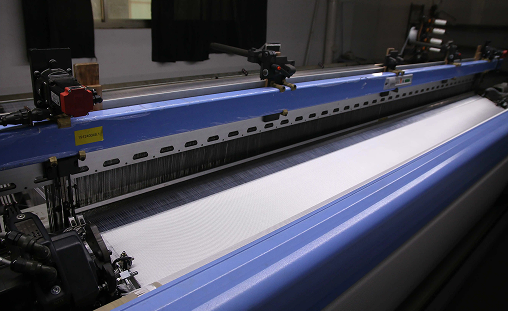
Why we need Green POE-based Green fabrics
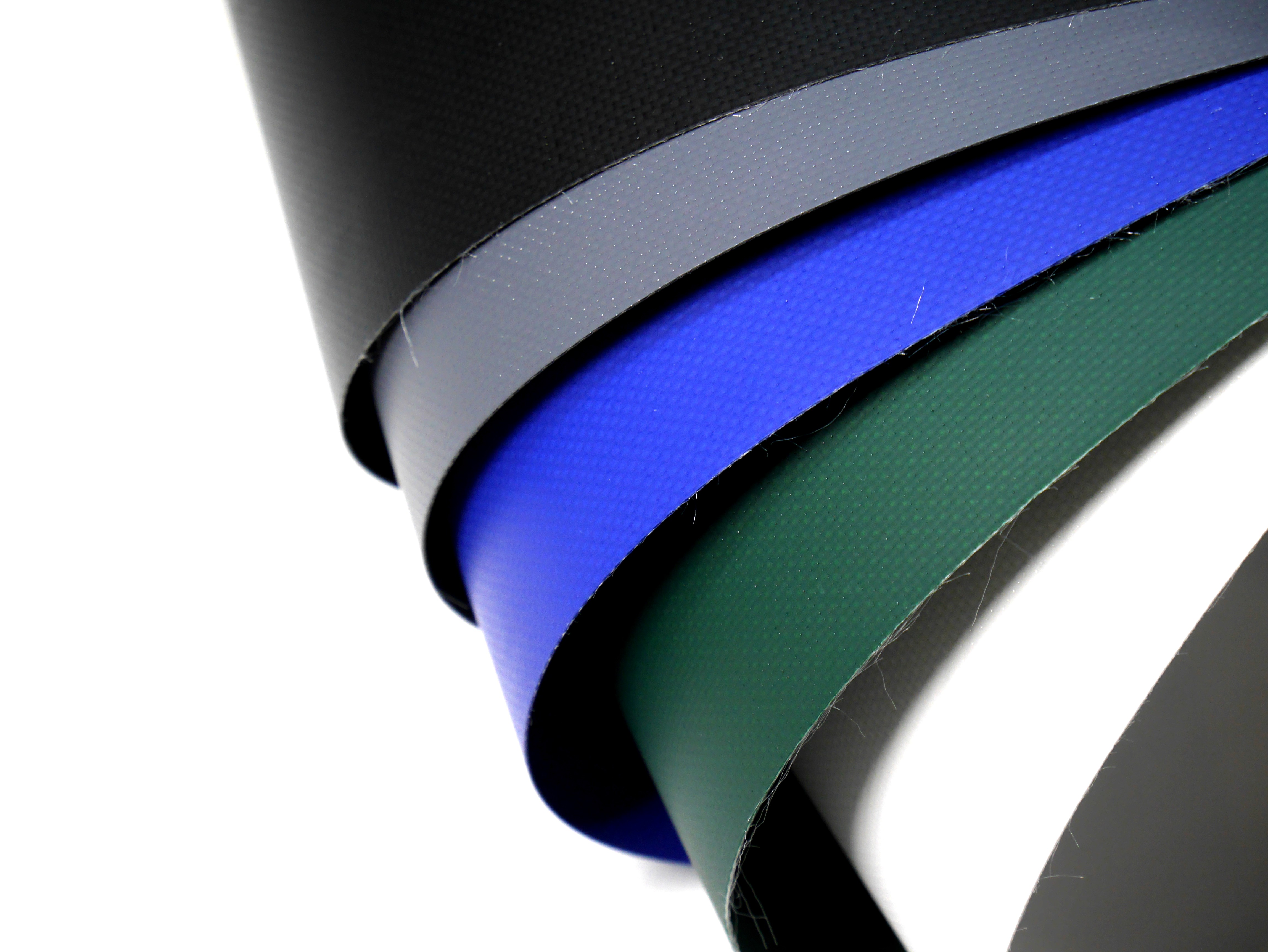

Tarpaulin, also known as tarpaulin, rain cloth, tarpaulin, tarpaulin, the fabric is firm and foldable, has good waterproof performance, and is widely used in automobile transportation and open-air warehouse cover and tents in the field. Traditional tarpaulins include wax cloth, cotton cloth, silicone canvas, tarpaulin, color striped cloth, etc., with simple structure, no plastic layer protection, and poor water resistance, mildew resistance, cold resistance, and aging resistance. With the improvement of people's living standards, the demand for outdoor tents, pick-up awnings, rafting boats, inflatable toys of various sizes, jumping beds, pools, and building canopies is increasing. The application range of tarpaulins is increasing. With gradual expansion, the use performance of the tarpaulin has also been improved accordingly. In order to meet market demand, upgraded products such as PVC canvas, TPU tarpaulin, knife scraping cloth, biaxial cloth, and plastic-coated cloth have appeared on the market.
However, PVC tarpaulin and TPU tarpaulin, as common mainstream tarpaulins in the market, still have some defects:
1. High gram weight and inconvenient to use: the relative density of PVC and polyester is high, about 1.40g/cm3; TPU is 1.22g/cm3. Moreover, in order to achieve sufficient strength, the weight of PVC tarpaulin and TPU tarpaulin is 650~750g/m2. If it is used for large-area covering and large tents, the overall weight may reach tens or even hundreds of kilograms, which is time-consuming and laborious for manual construction, which is extremely inconvenient.
2. The weather resistance is poor and the service life is not long enough: when PVC tarpaulin is used for outdoor covering and tents for a long time, the stability of PVC to light and heat is poor. It will decompose to produce hydrogen chloride at 67℃ or after long-term sunlight exposure. And further autocatalytic decomposition, causing discoloration, the physical and mechanical properties also decline rapidly, the use period does not exceed one year, it needs to be replaced, a huge waste. In actual applications, anti-aging agents must be added to improve the stability to heat and light; TPU materials have poor weather resistance. Even if a lot of anti-aging agents and UV-resistant agents are added, it is difficult to prevent their aging deformation and Yellowing. In addition, TPU materials, especially polyesters, will be completely decomposed when immersed in water at 50°C for half a year or at 70°C for more than 3 weeks. Therefore, TPU tarpaulin cannot be used in high-temperature and high-humidity outdoor environments for a long time, nor can it be used in flexitanks, rafting boats, pools and other products that are in constant contact with water. Over time, TPU tarpaulins will experience material performance degradation, and use The life span must be shortened.
3. General anti-seepage and anti-mildew performance: As PVC tarpaulin is made by coating polyvinyl chloride (PVC) paste resin, the film-forming property is general, and a lot of plastic additives and coating are added to it. Certain pores are often left on the surface, which often leads to water seepage, water leakage, and then mildew and other problems. In practical applications, it is necessary to coat a waterproof coating to achieve a better anti-seepage effect. Due to the hydrolysis resistance of the TPU tarpaulin, the anti-seepage and anti-mildew properties are also relatively reduced.
4. Poor low temperature resistance: The glass transition temperature of PVC is 77~90℃. Although a large amount of plasticizer has been added in the production process, its cold resistance temperature can reach minus 10℃; but in high latitudes in winter, When the temperature is lower than minus 25°C, PVC tarpaulin products will still become hard and brittle. After being folded or subjected to external forces, the plastic layer on the surface of the tarpaulin is easier to crack.
5. Poor mechanical properties: The polyvinyl chloride (PVC) coating layer of PVC tarpaulin has general film-forming properties and cannot provide effective mechanical support. Its strength is mainly provided by the polyester base fabric. Therefore, to a certain extent, the PVC tarpaulin has poor elasticity and relatively general puncture resistance. Therefore, it is necessary to avoid hitting or tearing with sharp metals or sharp edges during use.
6. Not environmentally friendly, non-recyclable: PVC has poor stability to light and heat. It will decompose to produce hydrogen chloride if it is above 67°C or exposed to long-term sunlight. If used in outdoor tents, temporary work sheds, etc., the released hydrogen chloride will cause harm to the human body; TPU has poor weather resistance. After the material is used outdoors for a long time, the material ages seriously, its performance is greatly reduced, and the recycling value is not great; PVC tarpaulin and TPU awning The structure of the fabric is based on polyester fabric, coated with PVC paste or TPU resin on both sides; polyester is incompatible with polyvinyl chloride and TPU, and cannot be simply crushed, granulated and recycled for use in other plastic products. In addition, a large number of plastic additives are added to the polyvinyl chloride paste (PVC) resin coating layer, which not only increases the difficulty of removal in the recycling process, but also the plastic additives are easy to migrate and free on the surface of the material, and also Will pollute the environment.
At the same time, with the continuous expansion of the application range of tarpaulin, it has been extended to rafting boats, inflatable toys, pools, airbags, life rafts, hyperbaric oxygen chambers, inflatable jacks and other tarpaulins not only for covering, tents and other purposes. Therefore, The gas barrier properties and moisture barrier properties of the tarpaulin have been put forward again. Existing products on the market, due to the molecular chain arrangement, polarity, crystallinity and other restrictions of the plastic layer polymer, more or less have a certain degree of permeability. Generally, when using high-molecular polymers or related materials made from them, the most attention is paid to the barrier properties of the materials to common gases such as oxygen, carbon dioxide, nitrogen, and the barrier properties to water vapor; therefore, a product that is not only light-weight , Tarpaulins with long service life, low temperature resistance, aging resistance, water resistance, mildew resistance, environmental protection and renewable characteristics, and high barrier properties are particularly important.
Technical realization elements:
The purpose of the present invention is to provide a high-barrier tarpaulin and its processing technology, which has a reasonable composition ratio and adopts an extrusion casting process; the processed tarpaulin simultaneously achieves light weight, long service life, low temperature resistance, aging resistance, and Waterproof, anti-mildew, environmental protection, renewable, high barrier properties and other effects; solve the above technical problems.
The world's leading Pvc fabric supplier, offering high-quality, durable
Related Article